Spotlight On Gabriella Muñoz: How Literature is Helping to Close the Gap Between Australia and Latin America through the Digital Magazine Puentes Review
English
Many Latin American immigrants arrive in Australia and work on projects that celebrate their diverse backgrounds. Despite sharing a common language, the region is rich and varied in its cultural expressions. Each country brings its own unique styles, culinary traditions and folkloric heritage. At Australia LATAM Emerging Leaders Dialogue (ALELD), we understand how deeply culture matters to Latin Americans, - it is a vital force that unites, celebrates their roots, and weaves tapestries that create new links with Australia.
This interview series will spotlight Latin Americans in a variety of fields. Through their creative work in literature, cuisine, music and dancing, and more, ALELD highlights how cultural heritage is alive and the way it evolves by building bridges that connect us all.
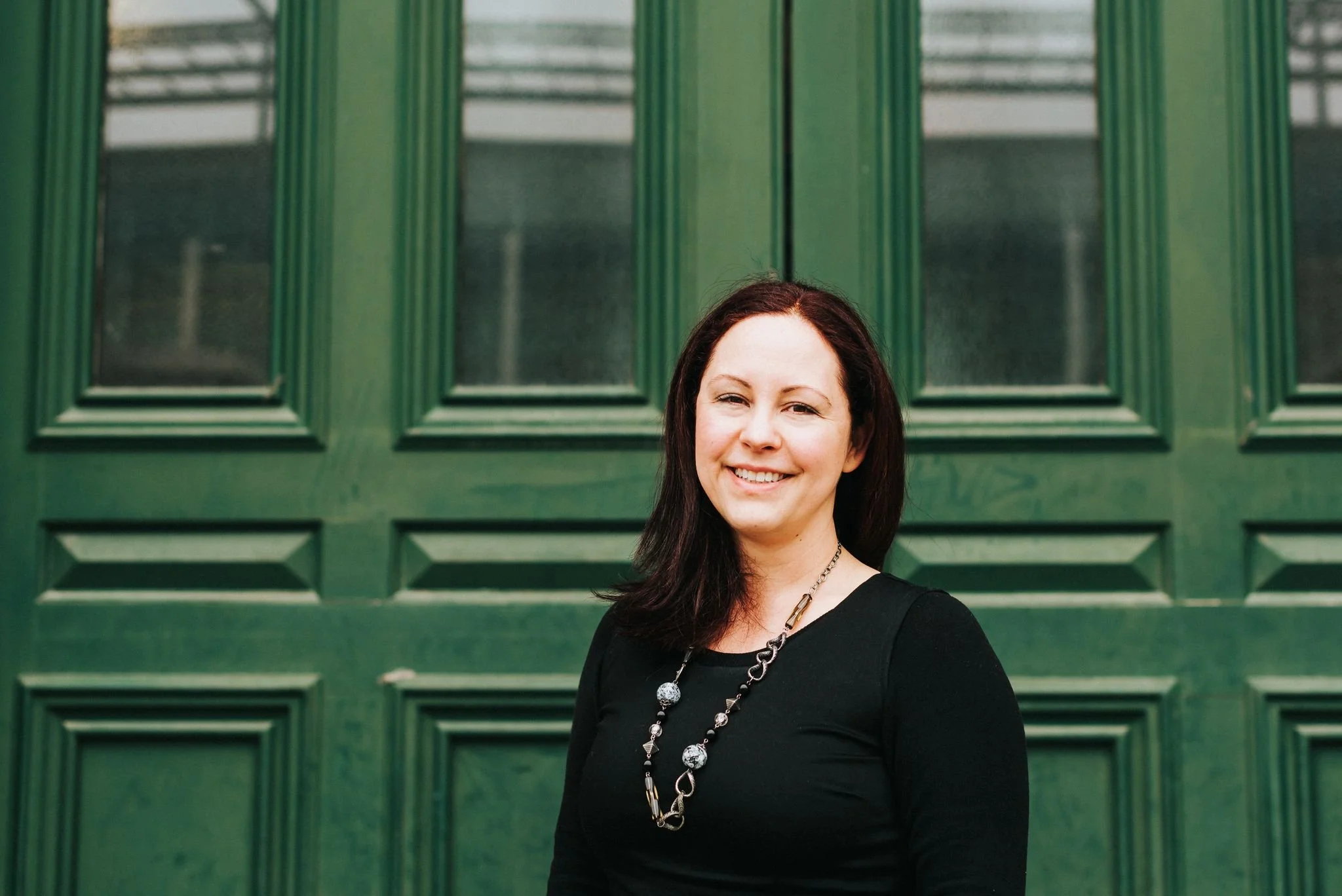
In this first edition, our guest for Spotlight On is Gabriella Muñoz. Gabriella was born in Mexico City and studied a Bachelor of Communication Sciences with a focus on journalism and developed further tertiary studies in young adults’ and English literature, as well as translation. She has worked in the magazine industry as an editor for print and digital publications, and she currently works for organisations that promote development opportunities for writers.
In 2010, Gabriella experienced an unfortunate event in which her life was threatened, pushing her to make the lifechanging decision to move to Australia. With the fear of facing a similar situation again, she left her country in search of a better life for her children.
Let’s delve into Gabriella’s life and her literary project that is promoting and celebrating the work of Latin American creatives in Australia & New Zealand, Puentes Review.
At what point did literature become part of your life?
I’m an only child, and my parents worked every day to give me a good education and support their families. This meant I spent a lot of time alone at home with books and movies - films have also been a huge part of my life.
However, as a child, I spent my afternoons reading books and listening to a collection of cassette audiobooks that included Puss in Boots, Tom Thumb and Little Red Riding Hood.
In the 1980s, when the publishing house, Trillas, launched a weekly collection of 24 children’s stories, it became a tradition to go to the newsstand or supermarket on Sundays to buy the hardcover books. I still have them, even though the pages are a bit yellow now. In them, I read beautifully illustrated versions of Snow White, Beauty and the Beast, Aesop’s Fables, and Tajin and the Seven Thunders, among many others.
It wasn’t just the stories themselves that I loved but also retelling them to my dad and seeing him listen to my version, even if it wasn’t exactly like the original. Books connected us and they became my constant companion through life.
Which book or author do you like the most and why?
That’s a really tough question, and my answer changes depending on where I am in life. Books that have changed my life or that I have read in key moments include The Battles in the Desert by Emilio Pacheco, Hopscotch by Julio Cortázar, The Unbearable Lightness of Being by Milan Kundera, The Portrait of a Lady by Henry James, Ariel by Sylvia Plath, Where the Wild Things Are by Maurice Sendak, Grief is that Thing with Feathers by Max Porter, and Indelible Ink by the Australian author Fiona McGregor, among many others. I often find myself returning to the works of Henry James and the poet Sylvia Plath. Poetry, in particular, holds a deep significance for me. I also frequently revisit the work of Mario Benedetti, Pablo Neruda, and Alejandra Pizarnik.
What do you think is the reason why reading and writing are so helpful during the migration process?
When I first arrived in Australia, I didn’t know much about Australian literature. Finding it was like falling in love: it has so many similarities with Latin American narratives, particularly in its use of magical realism and postcolonial stories. Finding these similarities made me feel less alone and not so lost in the process of migrating. also challenged me to write in English and it helped me find my voice as an immigrant. I think for many people, writing helps them in the migration process to find their identity, talk about migration grief, and process many of the stories that marked other stages of their lives or that they want to pass on to their children or friends.
There is an urgency to create links between Latin American and Australian cultures, in this case, related to literature. From your perspective, what links have you been generating and how has this literary movement enriched the bridge between Australia and Latin America?
Unfortunately, there’s a lack of awareness of both literatures. Of course, many of the big names from the Latin American Boom have been translated into English and have made their way to Australia, but there’s a real need for many more contemporary Latin American authors to be translated into English and sold in Australia, and vice versa. Contemporary Latin American voices, as shown by Mariana Enriquez (The Dangers of Smoking in Bed), Roberto Bolaño (Savage Detectives), and Fernanda Melchor (Hurricane Season), transcend languages.
Perhaps it’s because the Australian market is small compared to Latin America’s, or maybe there are just so many other literatures competing for translation space. But what’s definitely helping is online literary projects that publish in both languages, like Puentes Review, which help bring both cultures closer by showcasing our literary past and new voices.
Tell us a bit about your project. Where did the idea come from, what's the objective, and what difficulties have you faced along the way?
The project was born during the lockdowns in Melbourne. When I talked to people in the Latin American community, we realised that although there were various projects for Latin writers, there wasn’t an online one that published multilingual texts, offered translations and paid the writers. Similarly, when talking with colleagues in the United States, we saw there wasn't a project that gave opportunities for lesser-known voices to be published in other countries, in specific literary projects for the Latin community.
It was also important to hear that the Latin American experience in Australia hadn’t been narrated enough -and it’s crucial to make space for these voices.
At what point did you realise your project was needed by the Latin American community in Australia? What led to that discovery?
Conversations with other writers and translators, as well as a series of translation groups where people were asking for spaces to write. There was a lot of interest in Puentes Review at that time, and that's where it came from. On the other hand, talking with other writers about specific spaces and opportunities for Latin writers in the United States and Canada made me realise that our stories needed more platforms -and for the last few years, these spaces have been expanding.
Is there any organisation that supports your initiative? If so, which one? If not, how do you promote this space?
I've received support from many writers, like María Elena Lorenzín and Beatriz Copello, and a few organisations that have taken the time to mention the project, promote it or read it such as Latin Stories Australia and Gals en Australia. Puentes Review has been promoted through social media and word of mouth. People read the online journal, with hundreds of hits a month.
Tell the ALELD readers a singular story about something that happened while you were running your initiative.
A colleague suggested that I first create a publication and then look for grants or government support. So, to raise the money to launch Puentes Review, I started working as a school crossing supervisor. I did this every day before taking my kids to school -they were late many times for school so I could get from one place to the other, and other times I picked them up late or my husband left work early to pick them up, or I brought them with me to the crossing.
The experience allowed me to meet wonderful people and, at times, find Latino parents who liked hearing someone wish them a good day in their own language. I don't do this anymore to raise funds for Puentes Review, but it reminded me of something they always used to say in my home: “cuando hay ganas, las ganas ganan” (when there’s a will, there’s a way.)
What lessons have you learned from this initiative and in what other ways could links between Australia and Latin America in the field of literature be generated?
It has taught me that there is a real need to tell the stories of Latin Americans in Australia and to compare them with stories happening in other regions. There are as many stories of Latin migrants as there are Latins in the world. The perspective of a Latino in Australia is rarely heard, and I believe the time has come. We’ve seen this already with two publications this year: the first, Salsa in The Suburbs, by Alejandra Martínez, who has published in Puentes Review, and the novel by Natalia Figueroa Barroso, who has also been published in the magazine. It’s worth noting that both novels are about Uruguayan families in Australia.
What are the future plans for your project?
To find funding and develop a sustainable future for Puentes Review. I’m looking at different options to get support, create a print publication, and keep the project going. I’d also like to expand the team. I already have a few texts for the next edition - I just need to publish them. But everything in its own time. I want the next edition to be a success and to see more of our authors get their books published. Hopefully one day, I will also publish books.
Instagram: @puentesreview
Facebook: www.facebook.com/PuentesReview/
Website: www.puentesreview.com
Spanish
Cómo la literatura está ayudando a cerrar la brecha entre Australia y América Latina a través de la revista digital Puentes Review
Por Lina Preciado-Novak
Muchos inmigrantes latinoamericanos llegan a Australia y trabajan en proyectos que celebran sus diversos orígenes. A pesar de compartir un idioma común, la región es rica y variada en sus expresiones culturales. Cada país aporta sus propios estilos únicos, tradiciones culinarias y patrimonio folclórico. En Australia LATAM Emerging Leaders Dialogue (ALELD), comprendemos lo importante que es la cultura para los latinoamericanos: es una fuerza vital que los une, celebra sus raíces y teje tapices que crean nuevos vínculos con Australia.
Esta serie de entrevistas se enfocará en latinoamericanos que se desempeñan diversos ámbitos. A través de su trabajo creativo en literatura, gastronomía, música y danza, entre otros, ALELD destaca cómo el patrimonio cultural está vivo y cómo evoluciona tendiendo puentes que nos conectan a todos.
En esta primera edición, nuestra invitada para Spotlight On es Gabriella Muñoz. Gabriella nació en la Ciudad de México y estudió una licenciatura en Ciencias de la Comunicación con especialización en periodismo y amplió sus estudios superiores en literatura juvenil e inglesa, así como en traducción. Ha trabajado en la industria de las revistas como editora de publicaciones impresas y digitales, y actualmente trabaja para organizaciones que promueven oportunidades de desarrollo para escritores.
En 2010, Gabriella sufrió un desafortunado suceso en el que su vida se vio amenazada, lo que la llevó a tomar una decisión que cambiaría su vida: mudarse a Australia. Con el temor de enfrentarse de nuevo a una situación similar, abandonó su país en busca de una vida mejor para sus hijos.
Conozcamos más sobre la vida de Gabriella y su proyecto literario que promueve y celebra el trabajo de los creativos latinoamericanos en Australia y Nueva Zelanda, Puentes Review.
¿En qué momento la literatura se convirtió en parte de su vida?
Soy hija única y mis padres trabajaban todos los días para darme una buena educación y mantener a sus familias. Esto significaba que pasaba mucho tiempo sola en casa con libros y películas, que también han sido una parte muy importante de mi vida.
Sin embargo, de niña, pasaba las tardes leyendo libros y escuchando una colección de audiolibros en casete que incluía El gato con botas, Pulgarcito y Caperucita Roja.
En la década de 1980, cuando la editorial Trillas lanzó una colección semanal de 24 cuentos infantiles, se convirtió en una tradición ir al quiosco o al supermercado los domingos para comprar los libros de tapa dura. Todavía los conservo, aunque las páginas están un poco amarillentas. En ellos leí versiones bellamente ilustradas de Blancanieves, La Bella y la Bestia, Las fábulas de Esopo y Tajín y los siete truenos, entre muchos otros.
No solo me encantaban los cuentos en sí, sino también contárselos a mi papá y ver cómo escuchaba mi versión, aunque no fuera exactamente igual a la original. Los libros nos unían y se convirtieron en mis compañeros inseparables a lo largo de mi vida.
¿Qué libro o autor le gusta más y por qué?
Es una pregunta muy difícil, y mi respuesta cambia dependiendo de la etapa de mi vida en la que me encuentre. Entre los libros que han cambiado mi vida o que he leído en momentos clave se encuentran Las batallas del desierto, de Emilio Pacheco; Rayuela, de Julio Cortázar; La insoportable levedad del ser, de Milán Kundera; Retrato de una dama, de Henry James; Ariel, de Sylvia Plath; Donde viven los monstruos, de Maurice Sendak; El dolor es esa cosa con plumas, de Max Porter, y Tinta indeleble, de la autora australiana Fiona McGregor, entre muchos otros. A menudo me encuentro volviendo a las obras de Henry James y la poeta Sylvia Plath. La poesía, en particular, tiene un profundo significado para mí. También revisito con frecuencia la obra de Mario Benedetti, Pablo Neruda y Alejandra Pizarnik.
¿Cuál cree que es la razón por la que leer y escribir son tan útiles durante el proceso de migración?
Cuando llegué a Australia, no sabía mucho sobre la literatura local. Descubrirla fue como enamorarme: tiene muchas similitudes con las narrativas latinoamericanas, especialmente en su uso del realismo mágico y las historias poscoloniales. Encontrar estas similitudes me hizo sentir menos sola y menos perdida en el proceso de migración. También me desafió a escribir en inglés y me ayudó a encontrar mi voz como inmigrante. Creo que, para muchas personas, escribir les ayuda en el proceso migratorio a encontrar su identidad, hablar sobre el dolor de la migración y procesar muchas de las historias que marcaron otras etapas de sus vidas o que quieren transmitir a sus hijos o amigos.
Existe una urgencia por crear vínculos entre las culturas latinoamericana y australiana, en este caso, relacionados con la literatura. Desde su perspectiva, ¿qué vínculos ha venido generando y cómo ha enriquecido este movimiento literario el puente entre Australia y Latinoamérica?
Desafortunadamente, existe una falta de conocimiento sobre ambas literaturas. Por supuesto, muchas de las grandes figuras del Boom latinoamericano han sido traducidas al inglés y han llegado a Australia, pero existe una necesidad real de que muchos más autores latinoamericanos contemporáneos sean traducidos al inglés y vendidos en Australia, y viceversa. Las voces latinoamericanas contemporáneas, como demuestran Mariana Enríquez (Los peligros de fumar en la cama), Roberto Bolaño (Los detectives salvajes) y Fernanda Melchor (Temporada de huracanes), trascienden los idiomas.
Quizá sea porque el mercado australiano es pequeño en comparación con el latinoamericano, o tal vez porque hay muchas otras literaturas que compiten por el espacio de traducción. Sin embargo, no cabe duda de que lo que ayuda son los proyectos literarios en línea que publican en ambos idiomas, como Puentes Review, que contribuyen a acercar ambas culturas mostrando nuestro pasado literario y nuevas voces.
Cuéntenos un poco sobre su proyecto. ¿De dónde surgió la idea, cuál es el objetivo y qué dificultades ha encontrado en el camino?
El proyecto nació durante los confinamientos en Melbourne. Cuando hablé con gente de la comunidad latinoamericana, nos dimos cuenta de que, aunque había varios proyectos para escritores latinos, no había ninguno en línea que publicara textos multilingües, ofreciera traducciones y pagara a los escritores. Del mismo modo, al hablar con colegas de Estados Unidos, vimos que no había ningún proyecto que diera oportunidades a voces menos conocidas para publicar en otros países, en proyectos literarios específicos para la comunidad latina.
También fue importante escuchar que la experiencia latinoamericana en Australia no se había narrado lo suficiente y es crucial crear un espacio para estas voces.
¿En qué momento se dio cuenta de que su proyecto era necesario para la comunidad latinoamericana en Australia? ¿Qué le llevó a ese descubrimiento?
Las conversaciones con otros escritores y traductores, así como una serie de grupos de traducción en los que la gente pedía espacios para escribir. En ese momento había mucho interés en Puentes Review y ahí es donde surgió. Por otro lado, hablar con otros escritores sobre espacios y oportunidades específicos para escritores latinos en Estados Unidos y Canadá me hizo darme cuenta de que nuestras historias necesitaban más plataformas, y en los últimos años estos espacios se han ido ampliando.
¿Hay alguna organización que apoye su iniciativa?, ¿cuál? De no ser así, ¿cómo promueve este espacio?
He recibido el apoyo de muchos escritores, como María Elena Lorenzín y Beatriz Copello, y de algunas organizaciones que se han tomado la molestia de mencionar el proyecto, promocionarlo o leerlo, como Latin Stories Australia y Gals en Australia. Puentes Review se ha promocionado a través de las redes sociales y el boca a boca. La gente lee la revista en línea, con cientos de visitas al mes.
Cuénteles a los lectores de ALELD una historia singular sobre algo que le haya sucedido mientras llevaba a cabo su iniciativa.
Un colega me sugirió que primero creara una publicación y luego buscara subvenciones o apoyo del gobierno. Así que, para recaudar el dinero necesario para lanzar Puentes Review, empecé a trabajar como supervisora de cruces escolares. Lo hacía todos los días antes de llevar a mis hijos al colegio y muchas veces llegaban tarde al colegio para que yo pudiera ir de un lugar a otro. Otras veces los recogía tarde o mi esposo salía temprano del trabajo para recogerlos, o los llevaba conmigo al cruce.
La experiencia me permitió conocer a personas maravillosas y, en ocasiones, encontrar a padres latinos a quienes les gustaba que alguien les deseara un buen día en su propio idioma. Ya no hago esto para recaudar fondos para Puentes Review, pero me recordó algo que siempre solían decir en mi casa: «cuando hay ganas, las ganas ganan».
¿Qué lecciones ha aprendido de esta iniciativa y de qué otras maneras se podrían generar vínculos entre Australia y América Latina en el campo de la literatura?
Me ha enseñado que existe una necesidad real de contar las historias de los latinoamericanos en Australia y compararlas con las historias que ocurren en otras regiones. Hay tantas historias de migrantes latinos como latinos hay en el mundo. La perspectiva de un latino en Australia rara vez se escucha y creo que ha llegado su momento. Ya lo hemos visto con dos publicaciones este año: la primera, Salsa in The Suburbs, de Alejandra Martínez, que ha publicado en Puentes Review, y la novela de Natalia Figueroa Barroso, autora que también ha sido publicada en la revista. Cabe destacar que ambas novelas tratan sobre familias uruguayas en Australia.
¿Cuáles son los planes futuros para su proyecto?
Encontrar financiación y desarrollar un futuro sostenible para Puentes Review. Estoy buscando diferentes opciones para conseguir apoyo, crear una publicación impresa y mantener el proyecto en marcha. También me gustaría ampliar el equipo. Ya tengo algunos textos para la próxima edición, solo tengo que publicarlos. Pero todo a su debido tiempo. Quiero que la próxima edición sea un éxito y que más autores nuestros consigan publicar sus libros. Espero algún día poder publicar libros también.
Instagram: @puentesreview
Facebook: www.facebook.com/PuentesReview/
Página web: www.puentesreview.com