
More Than a Game: How Football Connects Australia and Latin America
When Argentina played the Matildas in Canberra last year, the crowd was overwhelmingly green and gold. The majority of the stadium supported the Matildas, riding the momentum of a team that had captivated the nation during the 2023 FIFA Women's World Cup. I was in the minority wearing an Argentina jersey, though like much of the stadium, I was secretly hoping the Matildas would win.
That contrast says a great deal about football's place in Australia.
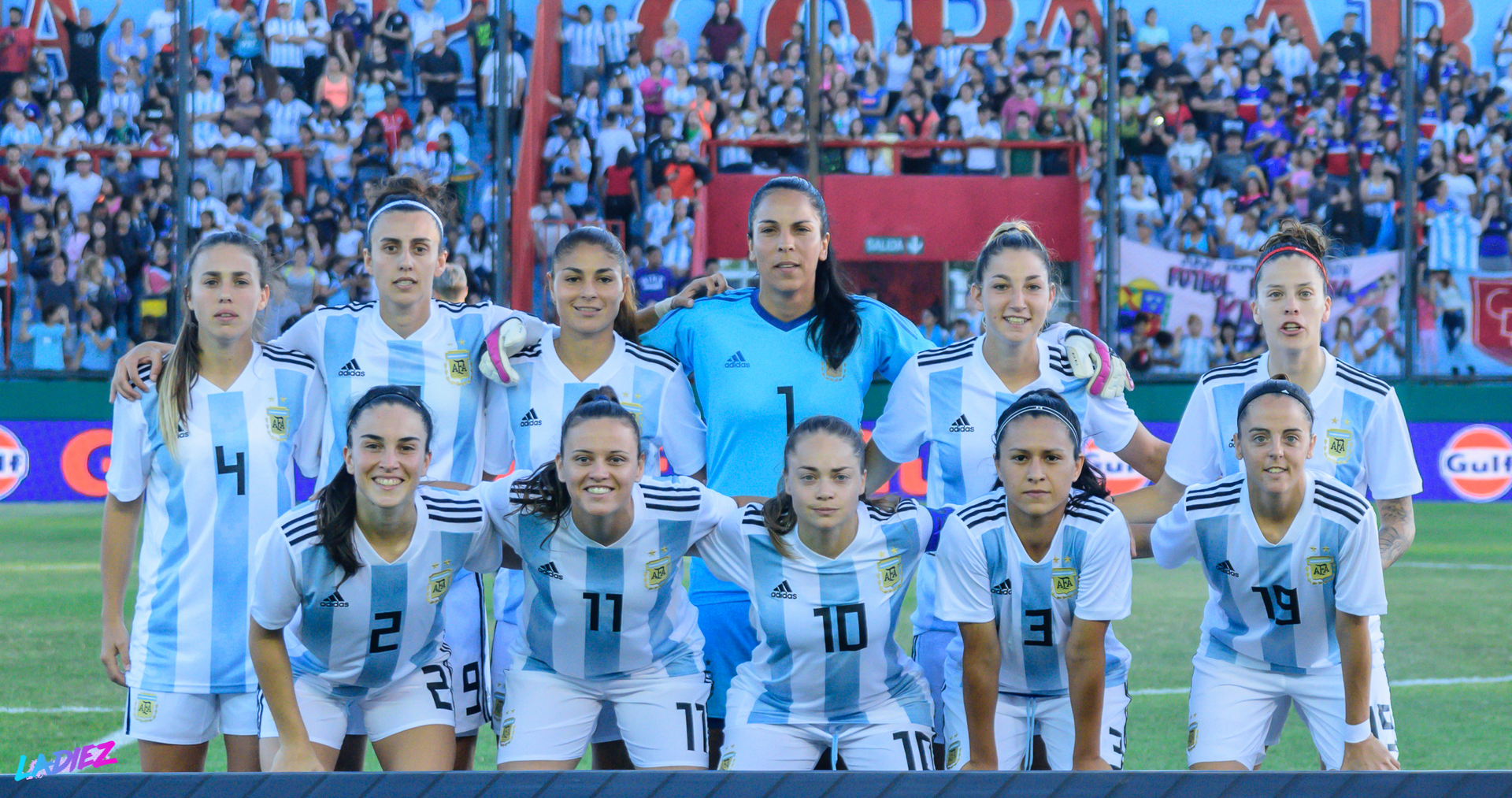
Selección Argentina Fútbol Femenino. Ladiezfutbolfemenino via Wikimedia Commons
Australians are not football-obsessed in the same way many Latin Americans are. AFL, rugby league and cricket still dominate the national sporting landscape, and outside major international tournaments, football often struggles to command the same level of attention.
Yet global football culture has quietly become a part of Australian life in ways that are impossible to ignore.
Walk through almost any Australian school playground and you are likely to see at least one Messi jersey. In a country where football remains secondary to AFL and rugby league, an Argentine footballer has become one of the most recognisable sporting figures among Australian children.
As the 2026 FIFA World Cup concludes, the stakes feel bigger than the sport itself. Football is increasingly becoming a form of diplomacy between Australia and Latin America.
Across Latin America, football occupies a completely different cultural space. In Argentina, Brazil, México, Uruguay and Colombia, it is tied to identity and belonging within the community. Entire cities seem to stop during major matches, and defeats can feel deeply personal.
Australia's relationship with football is far less emotionally central, but that difference is precisely what makes football such a valuable bridge between Australia and Latin America.
Traditional diplomacy often focuses on governments and strategic partnerships. Yet international relations increasingly recognise the importance of soft power: the ability to shape relationships through culture rather than coercion.
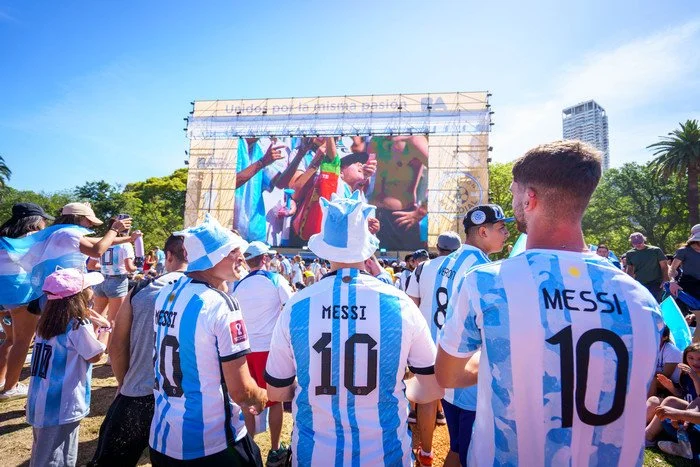
Hinchas de Messi. GCBA via Wikimedia Commons
Sport is one of the clearest examples.
Football creates familiarity between societies that might otherwise know little about one another. Most Australians may not closely follow Argentine politics or Latin American regional affairs, but they know who Lionel Messi is. They may never have visited Buenos Aires, but they recognise the passion surrounding the Argentine national team.
The Matildas' rise demonstrated how powerful sport can be in shaping national conversations. Their 2023 World Cup semi-final against England reached more than 11 million Australians and became the most-watched television program since modern audience measurement began in 2001. The tournament filled stadiums across Australia and attracted billions of viewers worldwide.
Importantly, the tournament also projected an image of Australia internationally as multicultural, welcoming and globally connected. That visibility also carries diplomatic value.
Australia's Latin American communities continue to grow. According to the Australian Bureau of Statistics, 32 per cent of Australia's population was born overseas, while communities from countries including Colombia, Brazil and Argentina continue to contribute to the country's cultural diversity.
With these communities comes culture and, inevitably, football.
The sold-out Argentina versus Matildas match in Canberra perfectly reflected this connection. Australian sporting enthusiasm met Latin American football culture in the same stadium.
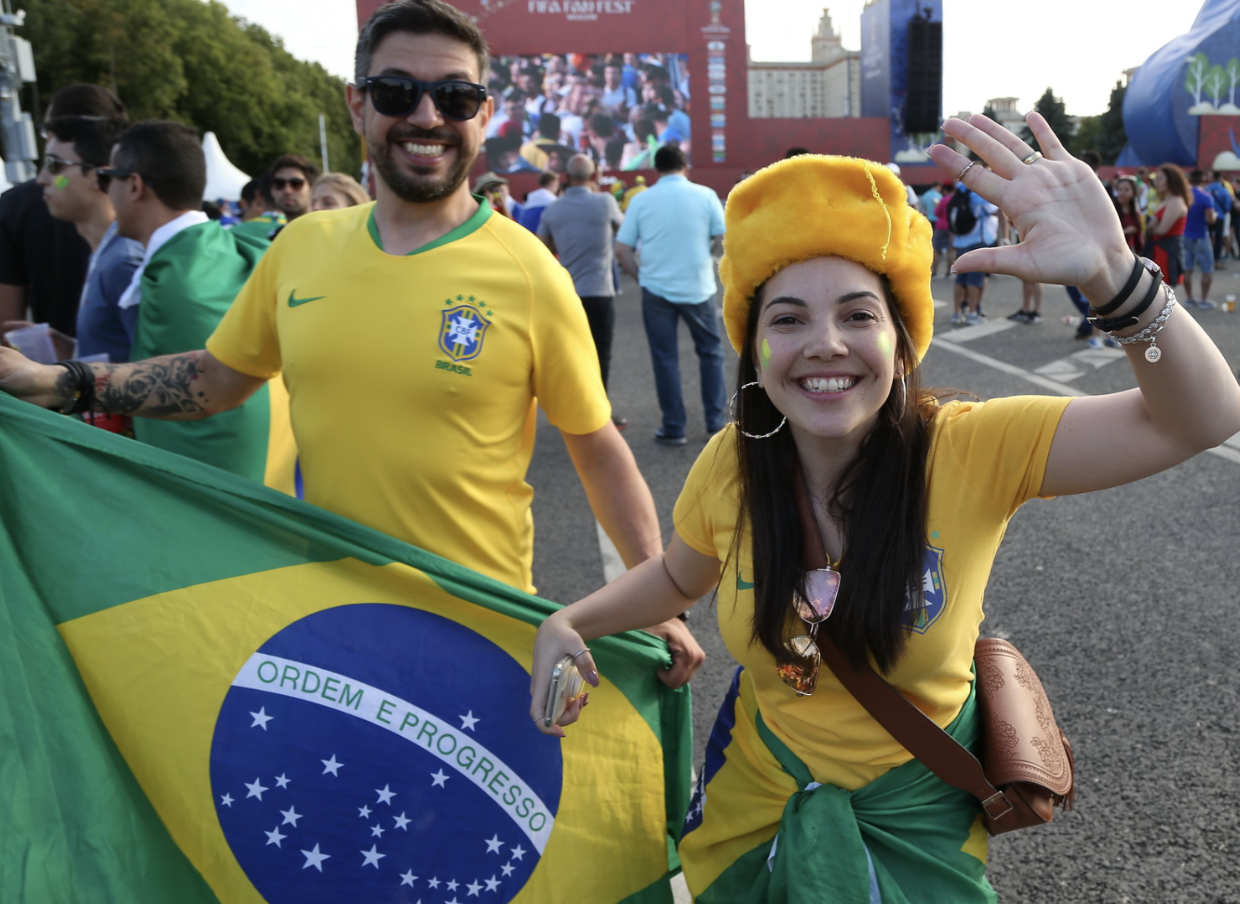
The atmosphere was unlike most Australian sporting events precisely because football carries different cultural meanings for different communities. For many Argentine fans, supporting the national team is deeply tied to national identity. For many Australians, the Matildas represented national pride and a broader cultural moment. Yet both groups occupied the same space.
As the World Cup unfolded, it created countless informal diplomatic spaces, from public watch parties and university events to online discussions and multicultural community gatherings. These moments may seem small on their own, but together they build stronger people-to-people connections between Australia and Latin America.
Football also gives Australia a rare connection to genuinely global sporting culture. Unlike AFL, football is played and followed across every continent.
Messi's popularity in Australia captures this perfectly. Children wearing Argentina jerseys are not necessarily engaging with Argentina politically, but they are participating in a form of global cultural exchange. Through football, Latin America becomes more visible to Australian audiences.
None of this means football will suddenly replace AFL or cricket as Australia's dominant sport. It probably never will. Football's greatest strength may be its ability to transcend national boundaries in ways few other sports can.
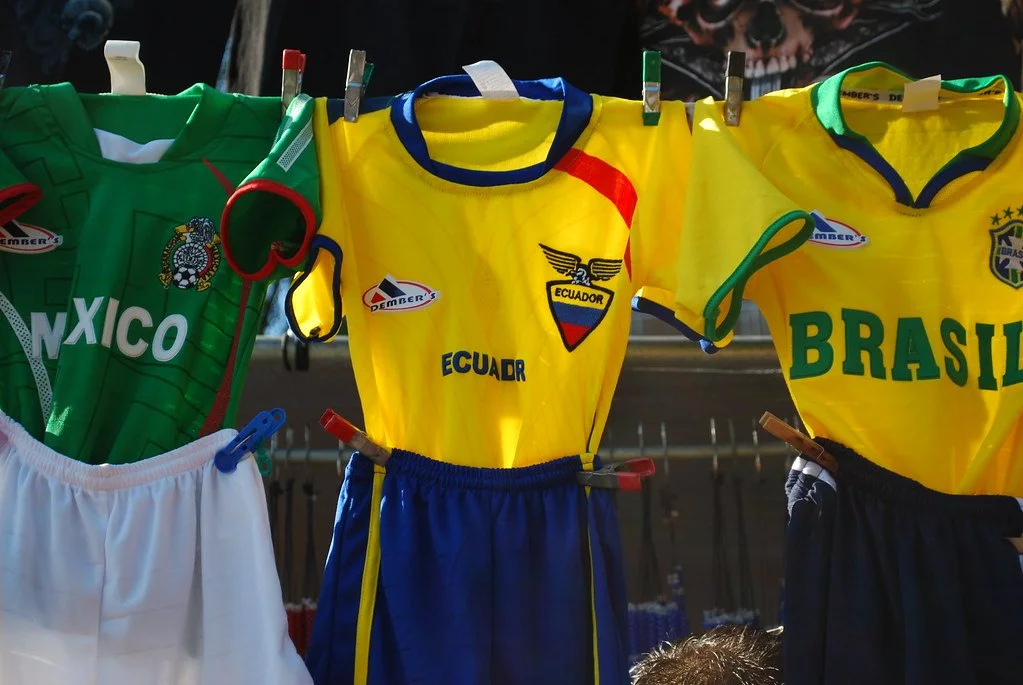


Hinchas del fútbol latinoamericano. Infinite thought via Flickr
The World Cup is about more than trophies, although many fans might argue the trophies are still the most important part. It is about visibility. For Australia and Latin America, football provides a shared language, even if each side speaks it differently.
As the World Cup comes to an end, millions of Australians have tuned in. Some have backed the Socceroos, while others have supported teams that reflect their heritage. For a few weeks, people across the world watch the same matches, follow the same moments and join the same conversations. That kind of connection should not be underestimated.
BIO: Mikayla Weber is a final-year Law and International Relations student and President of the ANU Latin American Students Association (LASA). She speaks Spanish and is passionate about strengthening Australia-Latin America engagement.
Content Disclaimer
The views expressed in this article are those of the author and do not necessarily represent the views or opinions of the Australia Latam Emerging Leaders Dialogue.