The Latin American Story Behind Australia’s Coffee Culture
For most Australians, the day begins with coffee.
In cities like Melbourne, Sydney, and even here in Canberra, it is embedded in daily routine and social life. Behind this distinctly Australian routine is a story that starts far beyond the café.
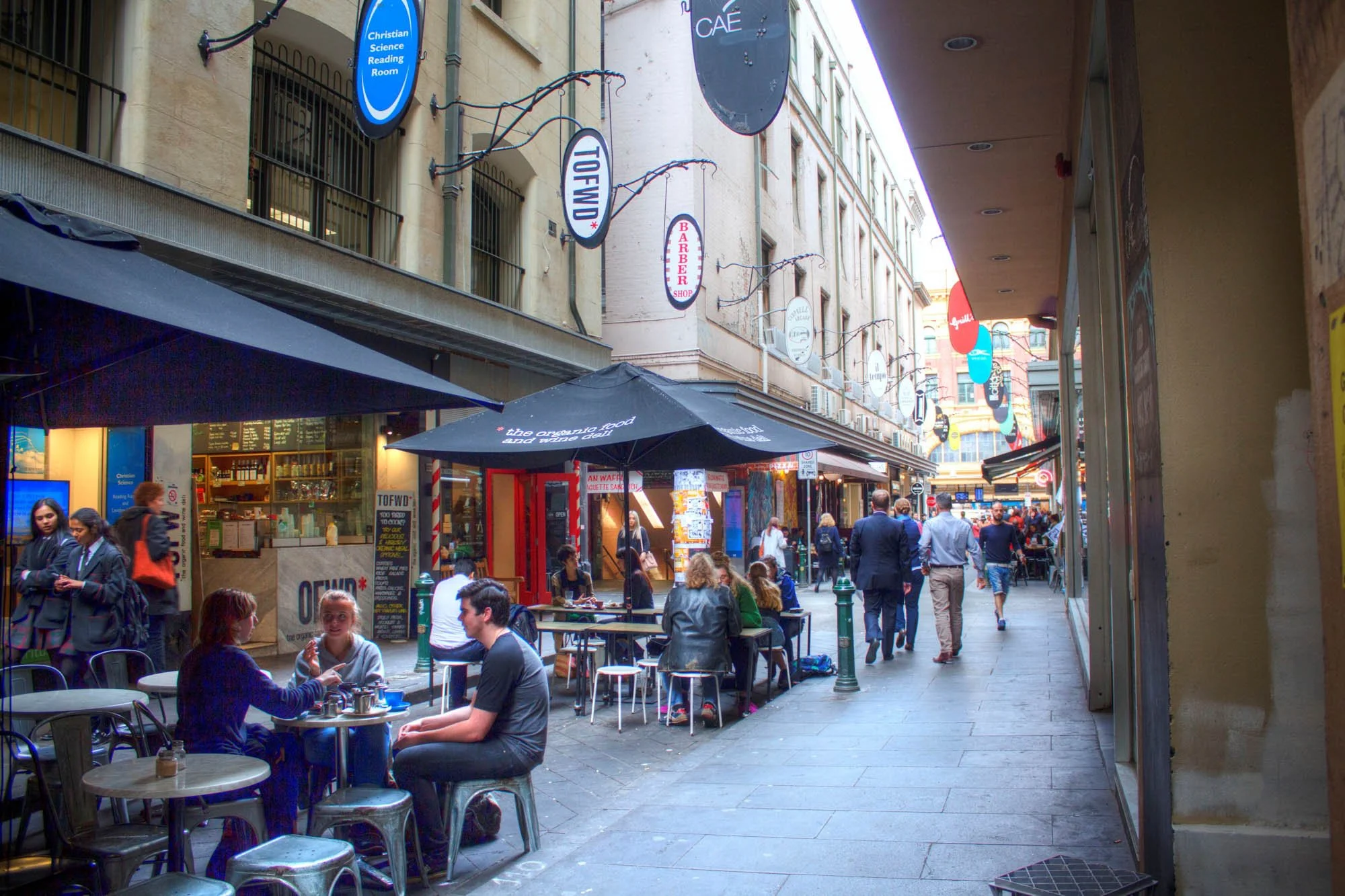
Cafes in Melbourne, Australia. Image credit: Barry Peck via Flickr
Long before it reaches local roasters and baristas, coffee often begins in the mountains and coffee plantations of Latin America. In many ways, Australia’s coffee culture is underpinned by the region.
Coffee is one of the world’s most traded commodities, and Latin America sits at the centre of the global supply. The Food and Agriculture Organisation identifies Brazil and Colombia among the world’s largest producers, alongside output from Peru and Central America.
Brazil remains the dominant force in the global coffee market. It has held this position for generations. Recent export figures reinforce this dominance, with record export values and forecasts for high shipment volumes in the coming seasons. What feels uniquely Australian often begins in the coffee-growing regions of Minas Gerais or Paraná. That quiet trans-Pacific connection is easy to overlook.
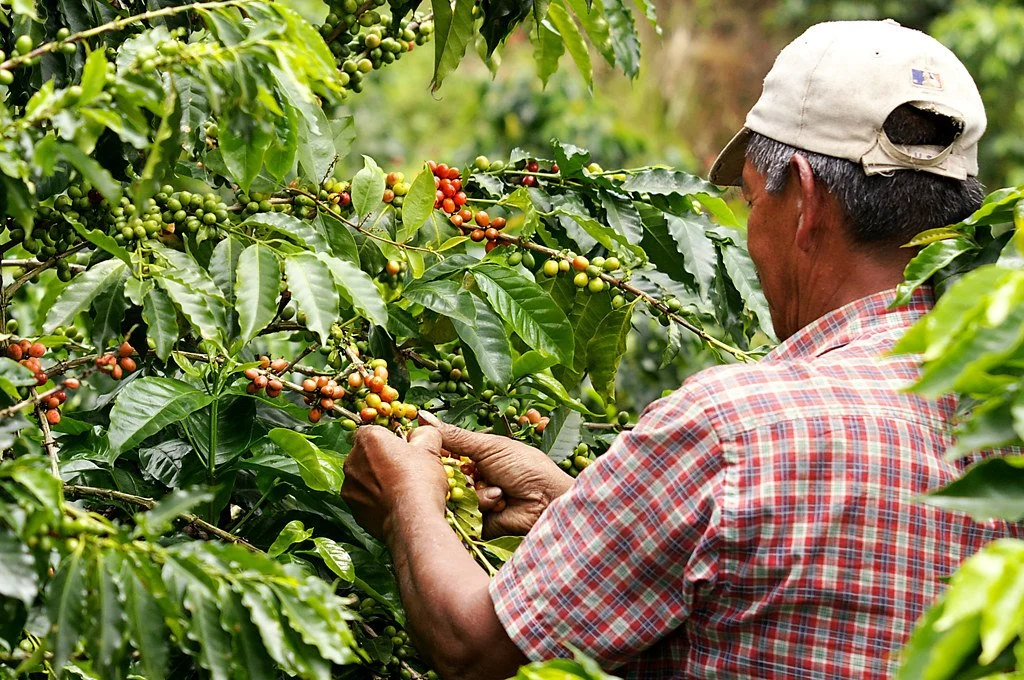
Coffee Picker in Colombia. Image credit: Maria del Pilar Ruiz via Flickr
Colombia adds another layer to this story. Known for its high-quality washed arabica beans, coffee is central to its national identity. In Colombia, it is more than a major export; it shapes both communities and cultural life. The country’s Coffee Cultural Landscape is recognised as a UNESCO World Heritage site, reflecting its place within society.
Yet Latin America’s coffee story extends far beyond its two most recognised producers.
Across Latin America, countries such as Peru, Guatemala, Honduras, Mexico, El Salvador and Nicaragua play a growing role in the global specialty coffee market. Beans from Guatemala’s highlands, Honduran mountain farms and the volcanic soils of El Salvador are prized in cafés across Australia, particularly within specialty roasting and single-origin markets. Peru has also emerged as a major producer of high-quality and organic coffee, with growing prominence in Australia’s specialty sector.
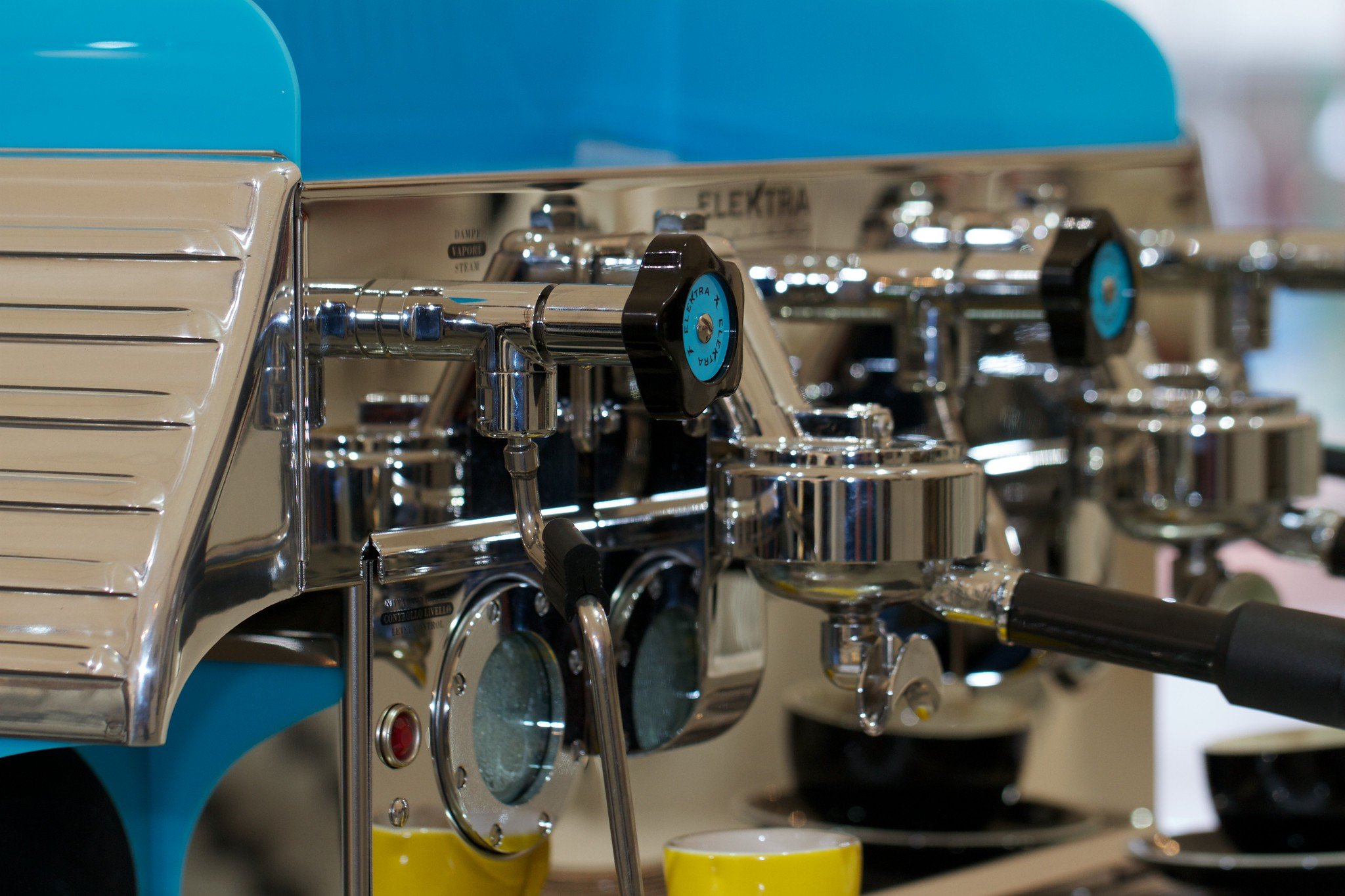
Baby Blue Elektra Coffee Machine. Image credit: Johan Fantenberg via Flickr
This relationship was clear at the Melbourne International Coffee Expo (MICE) 2026, where embassies and industry representatives featured in the new “Trip of Origins” showcase spaces. Representatives from El Salvador, Guatemala, Brazil, along with the Australian Latin American Business Association, joined producers and traders on the exhibition floor to connect directly with Australian consumers.
Their presence at one of Australia’s largest coffee events demonstrates how coffee is a form of cultural diplomacy. Through origin tastings and panels, direct engagement with growers and exporters makes Latin America’s role in Australian life tangible.
Australia’s coffee culture relies on imported supply chains, making it directly dependent on overseas production. Climate events in Latin America can have direct consequences for Australian consumers through rising wholesale prices, supply shortages, and higher consumer costs. The price of a cup of coffee is often shaped as much by environmental and market conditions in Latin America as by domestic inflation.
These origins often remain obscured behind the menu board, and yet they reveal a broader story about Australia’s relationship with Latin America. It’s grounded not only in diplomacy or trade agreements but in everyday economic interdependence. Coffee offers a simple way to understand that relationship.
Public discussion of Australia-Latin America relations often centres on formal diplomatic engagement or strategic policy. However, coffee brings those connections into daily life by highlighting how regional production networks and trans-Pacific trade flows shape Australian routines.
Coffee plays a similar social role across much of Latin America. From the cafecito to the cafézinho and sobremesa, it’s a moment for hospitality and to pause. This shared ritual is where Australia and Latin America intersect most naturally.
Australia’s coffee culture may feel intensely local, but its foundations are unmistakably international. At a time when discussions of Australia’s relations with Latin America often remain confined to policy frameworks, coffee offers a more immediate point of connection. Complex international relations are often clearly understood through quiet daily routines, not just formal diplomacy. In Australia, few rituals are more familiar than the first coffee of the day.
BIO: Mikayla Weber is a final-year Law and International Relations student and President of the ANU Latin American Students Association (LASA). She speaks Spanish and is passionate about Latin America, international diplomacy, and human rights, with a particular interest in strengthening Australia-Latin America engagement.
Content Disclaimer
The views expressed in this article are those of the author and do not necessarily represent the views or opinions of the Australia Latam Emerging Leaders Dialogue.